
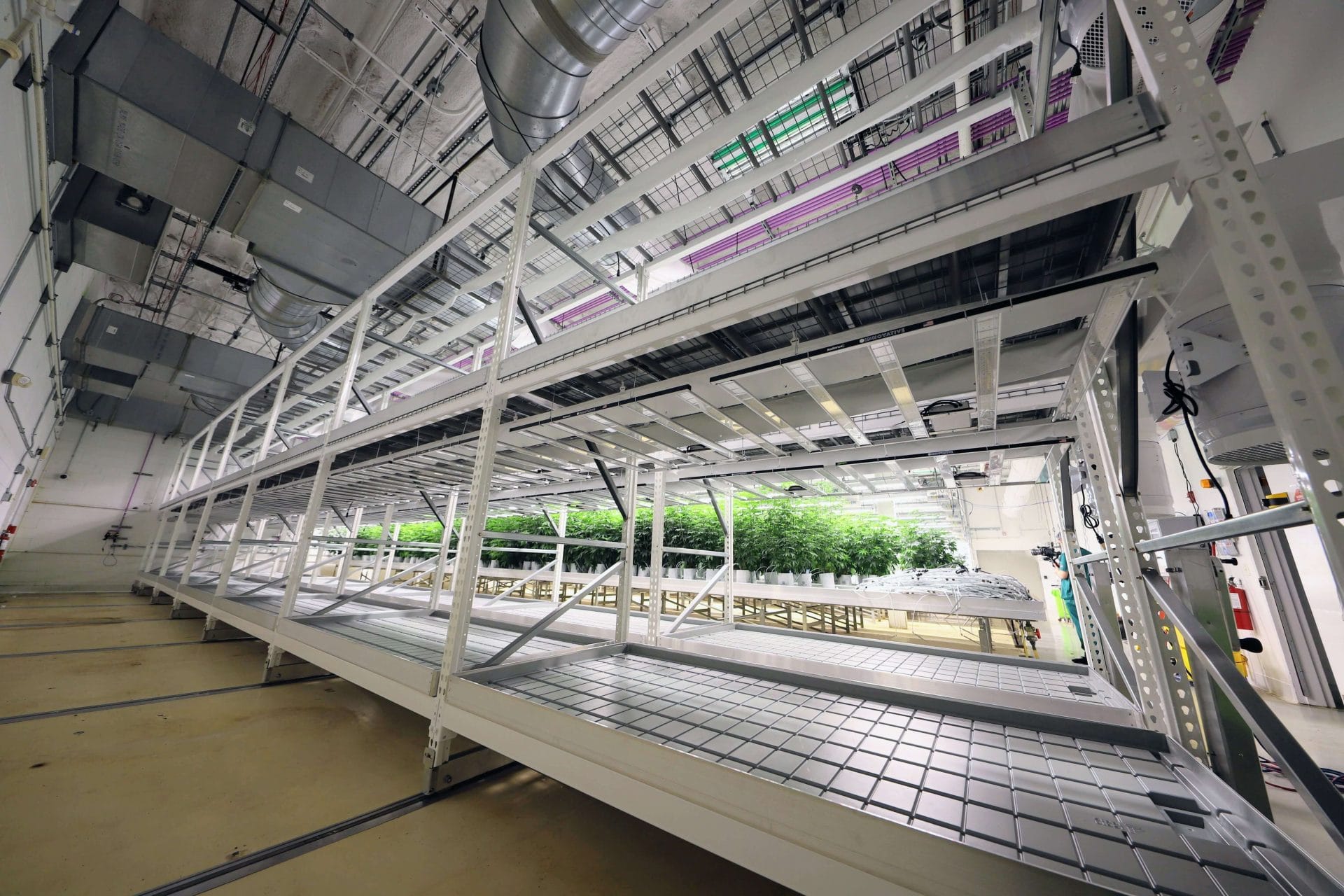
As cannabis storage regulations in 2026 continue to evolve, storage compliance has become a critical part of daily operations. Whether you are cultivating, processing, or selling cannabis, the way your product is stored directly affects both regulatory compliance and product quality. In 2026, enforcement is stricter, expectations are higher, and even small gaps in compliance can lead to serious consequences.
Why Cannabis Storage Regulations Matter in 2026
Cannabis storage is no longer just about keeping things organized. It is about accountability and control. Regulators expect operators to maintain full visibility into inventory while protecting product safety, security, and traceability at every stage.
Most states now require real-time inventory tracking, clear batch labeling, and separation between product types and lifecycle stages. These measures help ensure that every item can be tracked from cultivation through sale, reducing the risk of diversion, contamination, or expired product reaching consumers.
Security and Access Control Requirements
Security continues to be one of the most closely monitored aspects of cannabis storage. Licensed operators must store cannabis in secure environments with controlled access, allowing only authorized personnel to enter.
Typical requirements include locked storage areas or vaults, continuous video surveillance, and detailed access logs. Chain-of-custody documentation is also essential. Failing to maintain accurate records can result in fines or even loss of licensure, so audit readiness should always be a priority.
Product Segregation and Organization
Proper organization and separation of products is another key compliance requirement. Cannabis products must be stored separately from non-cannabis items and often must be divided based on their stage in the production process.
This includes dedicated storage areas or clearly labeled shelving, separation between drying or curing products and finished goods, and consistent labeling practices to prevent mix-ups. Improper segregation is one of the most common issues identified during inspections.
Climate Control and Product Integrity
Environmental conditions play a major role in both compliance and product quality. Many states now require operators to actively monitor temperature and humidity levels, especially for flower and concentrates.
Poor storage conditions can lead to reduced potency, terpene loss, and increased risk of mold or contamination. Regulators are increasingly focused on verifying environmental data, not just confirming that systems are installed.
State-by-State Cannabis Storage Regulations
Cannabis storage regulations still vary widely depending on the state. While the core principles remain consistent, the specific requirements can differ significantly.
Some states require fully secured and camera-monitored storage rooms. Others emphasize real-time inventory tracking and strict access control. Certain markets also define acceptable temperature and humidity ranges. Because of these differences, operators must stay informed about local regulations and avoid assuming compliance across multiple jurisdictions.
What Is Changing in 2026
Looking ahead, several trends are shaping cannabis storage regulations in 2026. Regulators are placing greater emphasis on off-site storage oversight, stricter verification of climate control systems, and deeper integration of real-time inventory tracking.
There is also a growing shift toward advanced access control systems, including keycard and biometric entry. These changes reflect a broader move toward data-driven compliance and tighter operational oversight.
Best Practices for Staying Compliant
Operators who want to stay ahead of regulatory changes should take a proactive approach to storage compliance.
Regular audits help identify gaps in security, access control, and environmental monitoring before inspections occur. Clearly defined storage zones for different product stages improve organization and reduce risk. Scalable storage systems prevent overcrowding and improve visibility for both staff and inspectors. Continuous monitoring of temperature, humidity, and inventory movement ensures consistency and accountability.
Take-aways
In 2026, cannabis storage is no longer a secondary consideration. It is a core component of compliance and operational success. Businesses that prioritize proper storage practices will be better equipped to pass inspections, maintain product quality, and scale effectively in a highly regulated industry.