
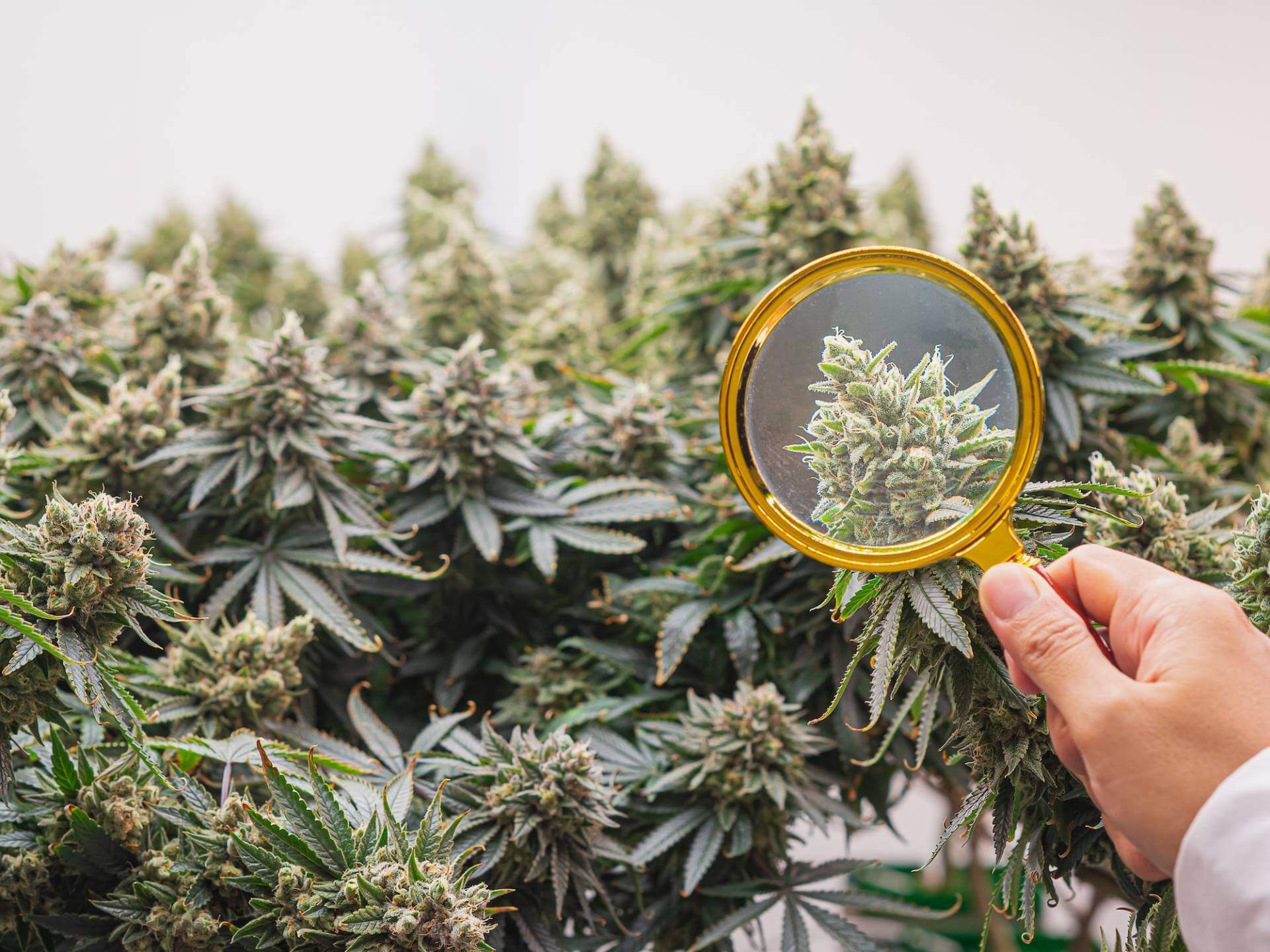
Knowing when to harvest cannabis is one of the most important decisions a grower can make. While factors like pistil color and flower density provide clues, trichomes offer the clearest indication of peak maturity. These tiny resin glands are responsible for producing cannabinoids, terpenes, and flavonoids, the compounds that influence potency, aroma, flavor, and overall effects.
By learning how trichomes change throughout the flowering cycle, cultivators can better determine the perfect harvest window for their desired results.
What Are Trichomes?
Trichomes are microscopic, crystal-like structures that develop across cannabis flowers and nearby leaves. They function as the plant’s natural defense system, protecting it from pests, excessive UV exposure, and environmental stress. More importantly for growers, trichomes contain the resin where cannabinoids and terpenes are produced and stored.
There are several types of trichomes found on cannabis plants, but the most significant are capitate-stalked trichomes. These larger mushroom-shaped glands contain the highest concentration of cannabinoids and aromatic compounds.
As cannabis plants mature, trichomes evolve in both appearance and chemical composition, making them one of the best indicators of harvest readiness.
How Trichomes Change During Flowering
Trichomes go through a clear visual progression as the plant matures. Monitoring these changes helps growers identify when cannabinoid and terpene production has reached its peak.
Clear Trichomes
In the early flowering stages, trichomes appear transparent and glass-like. At this point, cannabinoid production is still developing, and the plant is not ready for harvest. Harvesting too early often results in lower potency and less developed flavor profiles.
Cloudy or Milky Trichomes
As the plant approaches maturity, trichomes shift from clear to cloudy or milky white. This stage typically represents peak THC production and is considered the ideal harvest window for many cultivators seeking balanced potency, flavor, and aroma.
Cannabis harvested during this phase generally delivers more uplifting and energetic effects while preserving terpene complexity.
Amber Trichomes
Over time, cloudy trichomes begin turning amber as cannabinoids naturally degrade and mature further. Higher percentages of amber trichomes are often associated with heavier, more sedative effects.
Many growers prefer harvesting when plants contain a combination of cloudy and amber trichomes, depending on the desired experience.
How to Check Trichomes Properly
Because trichomes are extremely small, magnification is essential for accurate evaluation. Most growers use:
- Jeweler’s loupes
- Handheld microscopes
- Digital microscopes
- Smartphone macro lenses
When inspecting trichomes, focus on the resin glands directly on the buds rather than sugar leaves, as leaf trichomes often mature faster and can provide misleading results.
Examining multiple areas of the plant also helps ensure consistency across the canopy.
Environmental Factors That Influence Trichome Development
Trichome production is heavily affected by growing conditions. Environmental stress, lighting, nutrients, and temperature all impact resin development and final flower quality.
Temperature
Excessive heat can accelerate trichome degradation and terpene loss, while cooler flowering temperatures often help preserve resin and aroma.
Humidity
Maintaining proper humidity levels during flowering reduces the risk of mold and mildew while supporting healthy resin production.
Light Exposure
Strong lighting—particularly UV exposure—can encourage increased trichome production as part of the plant’s protective response.
Nutrient Balance
Healthy plants with balanced nutrition tend to produce stronger resin development and more consistent cannabinoid profiles.
Genetics Matter
Not all cannabis strains produce trichomes equally. Some cultivars naturally develop dense resin coverage with heavy terpene output, while others produce lighter trichome density.
Genetics influence:
- Trichome size
- Resin production
- Cannabinoid levels
- Terpene profiles
- Maturation speed
Understanding the characteristics of a specific cultivar helps growers predict harvest timing more accurately.
Finding the Ideal Harvest Window
There is no universal “perfect” harvest time because desired effects vary between growers and consumers. However, many cultivators follow these general guidelines:
- Mostly clear trichomes: Too early
- Mostly cloudy trichomes: Peak potency and balanced effects
- Mix of cloudy and amber: More relaxing, body-focused effects
- Mostly amber trichomes: More sedative characteristics with some THC degradation
The best approach is to combine trichome observation with other maturity indicators such as pistil color, bud swelling, and overall plant health.
Protecting Trichomes After Harvest
Even perfectly timed harvests can lose quality if flowers are improperly handled after cutting. Trichomes are delicate and easily damaged during trimming, drying, and curing.
To preserve resin quality:
- Handle buds gently
- Avoid excessive heat and light exposure
- Dry slowly in controlled conditions
- Cure flowers gradually in sealed containers
Proper post-harvest processing helps maintain potency, flavor, and terpene integrity long after harvest.
Final Thoughts
Trichomes provide one of the most reliable ways to determine when cannabis is truly ready for harvest. Their transition from clear to cloudy to amber reveals valuable information about cannabinoid maturity, terpene development, and overall flower quality.
By carefully monitoring trichome development and maintaining optimal environmental conditions, growers can maximize potency, preserve flavor, and consistently produce premium cannabis harvests.