
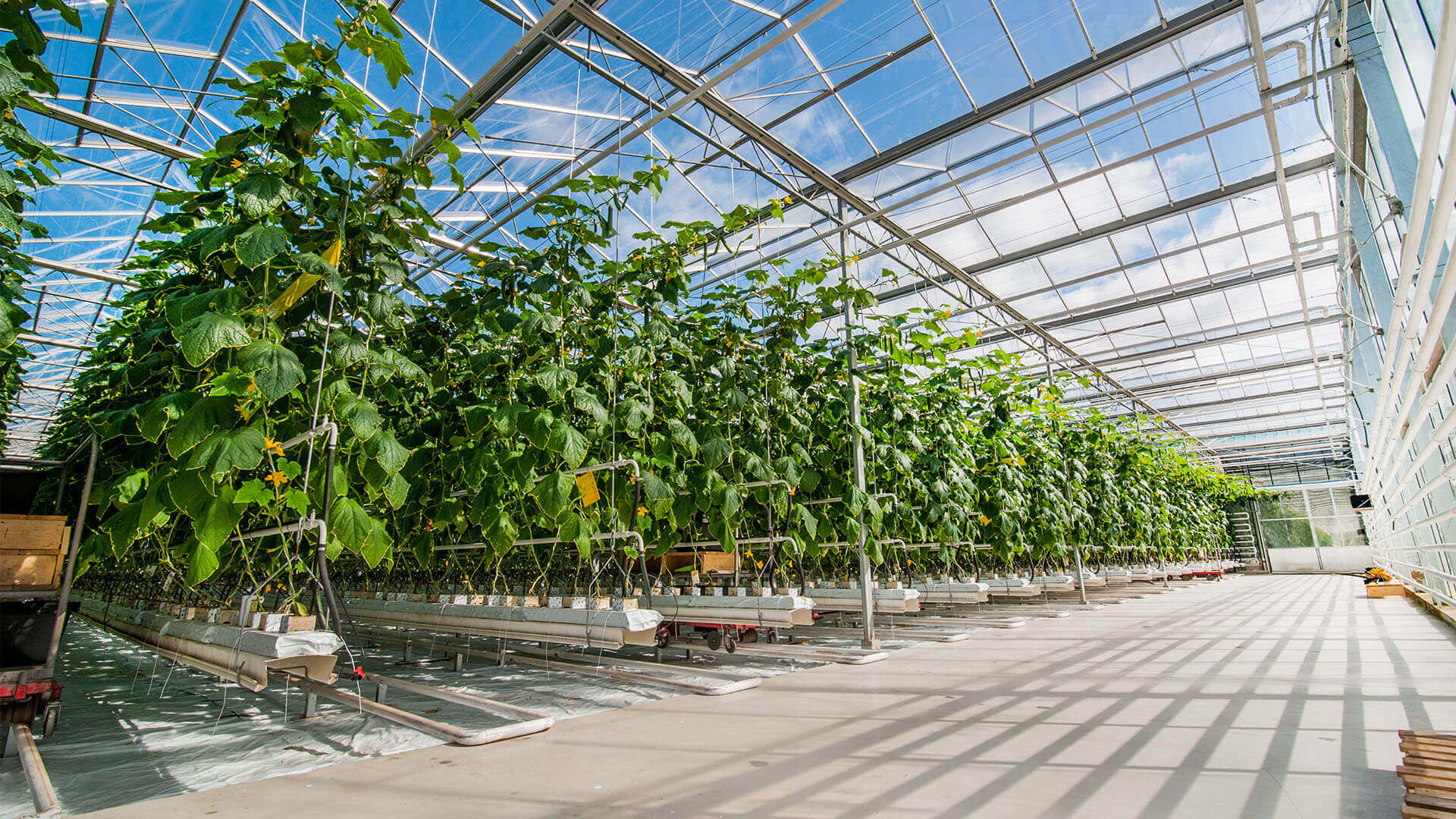
Most cultivation facility designs begin with a straightforward objective:
Maximize plant capacity.
How many plants can fit in the room? How much canopy can be added? How can every square foot be utilized?
While those are important questions, the most successful facilities start somewhere else:
How efficiently can people work within the space?
Because in Controlled Environment Agriculture (CEA), labor is often one of the largest operating expenses. Every unnecessary step, extra touchpoint, and workflow bottleneck directly impacts profitability.
The reality is simple: great grow facilities aren’t designed around plants first—they’re designed around the people responsible for growing them.
Labor Is One of the Largest Costs in CEA
No matter how advanced a facility becomes, cultivation remains highly dependent on human labor.
Teams spend their days:
- Scouting crops
- Pruning and training plants
- Irrigating
- Applying treatments
- Harvesting
- Cleaning and sanitizing
- Moving plants and materials
When facility design forces workers to spend more time moving than producing, operational costs rise quickly.
Many growers focus on yield per square foot.
The best operators also focus on labor efficiency per square foot.
The Hidden Cost of Walking
One of the most overlooked expenses in cultivation is unnecessary movement.
Consider how often employees walk throughout a typical shift:
- Between cultivation zones
- To retrieve tools or supplies
- Around fixed aisles
- Through congested work areas
- Between harvesting and processing locations
A few extra minutes here and there may seem insignificant.
But across multiple employees, every day, every week, and every harvest cycle, those lost minutes become hundreds of labor hours.
If employees spend 15–20% of their day simply moving around the facility, that’s time not spent performing productive cultivation tasks.
In many operations, reducing travel time presents one of the largest opportunities for immediate efficiency gains.
Workflow Should Drive Facility Design
Elite cultivation facilities approach layout planning much like advanced manufacturers approach production lines.
They ask questions such as:
- How many touches does each plant require?
- Where do workflow bottlenecks occur?
- How far do employees need to travel to complete routine tasks?
- Can materials move more efficiently through the facility?
The goal is straightforward:
Reduce motion. Increase productivity.
Every step eliminated improves operational efficiency while lowering labor costs.
Why Bench Placement Matters
Bench placement is often viewed primarily as a canopy optimization strategy.
In reality, it’s also a labor optimization strategy.
Poorly planned bench layouts can create:
- Longer walking routes
- Limited crop access
- Harvest congestion
- Maintenance challenges
- Increased worker fatigue
Well-designed layouts allow employees to perform tasks efficiently while maintaining full crop accessibility.
Over time, these improvements can have a significant impact on labor requirements and operating costs.
Rolling Benches Improve More Than Canopy Utilization
Rolling bench systems are frequently discussed because they increase canopy density.
But their benefits extend beyond maximizing growing space.
Rolling benches help improve labor efficiency by:
Reducing Travel Distance
Workers can access crops through a movable aisle rather than navigating multiple permanent pathways.
Improving Workflow Flexibility
Access can be created exactly where work is needed, reducing unnecessary movement.
Simplifying Maintenance
Cleaning, inspections, and crop management become more organized and efficient.
Supporting Lean Operations
Facilities become easier to manage with fewer workflow disruptions and less wasted motion.
As labor costs continue to rise, these operational advantages become increasingly valuable.
Designing for Automation Starts with Designing for Labor
Many growers are investing in automation to improve efficiency and scalability.
However, automation works best when facility layouts are designed around efficient movement from the start.
Systems such as:
- Mobile benches
- Automated irrigation
- Conveyance systems
- Robotic crop handling
all depend on organized workflows and accessible layouts.
Facilities with poor labor flow often struggle to maximize the benefits of automation later.
Automation doesn’t fix inefficient design—it amplifies the strengths or weaknesses already built into the facility.
The Best Facilities Think Like Manufacturers
Leading CEA operations increasingly apply principles from lean manufacturing.
They understand that long-term profitability is driven by:
- Labor productivity
- Process efficiency
- Workflow optimization
- Asset utilization
Plants may be the product, but people are what keep production moving.
When facilities are designed around labor efficiency, everything improves:
✓ Lower operating costs
✓ Higher productivity
✓ Better scalability
✓ Faster crop turns
✓ Greater operational consistency
Key Takeaway
Every unnecessary step inside a grow facility carries a cost.
Over time, those costs accumulate into lost productivity, higher labor expenses, and reduced profitability.
The highest-performing facilities don’t simply maximize plant counts.
They maximize what their teams can accomplish within the space.
Because in modern CEA, labor efficiency is often the difference between a good facility and a great one.